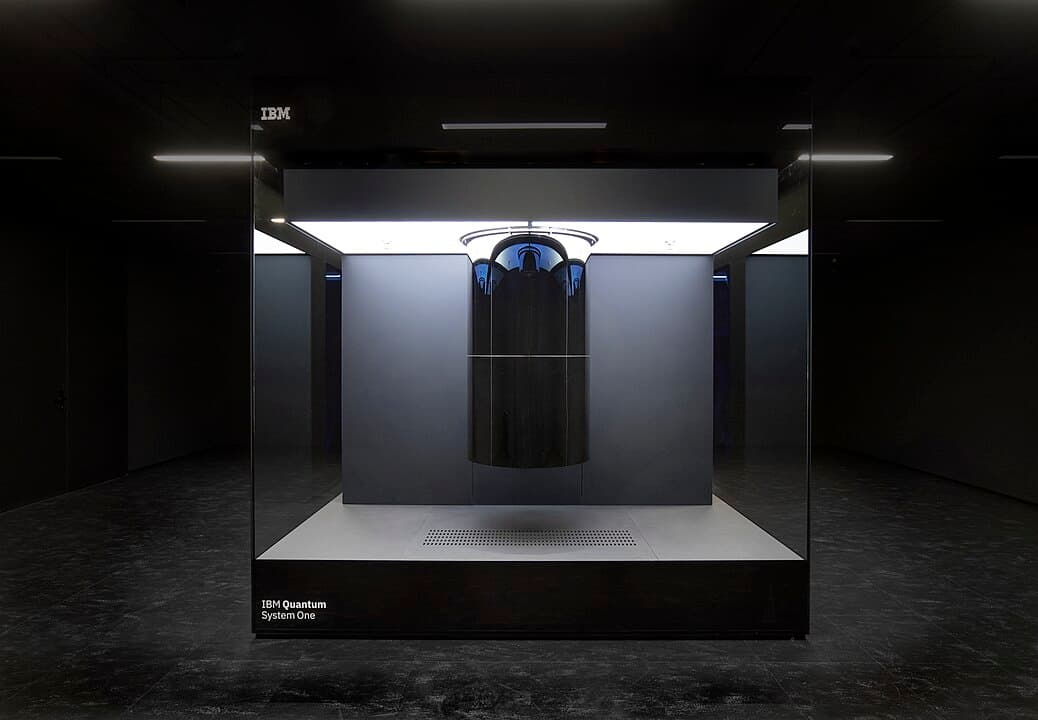
Los qubits son la base de toda tecnología cuántica. Si entiendes los qubits, entiendes una gran parte del futuro.
- 1
Las computadoras cuánticas usan qubits como su unidad fundamental de información.
- 2
Los sensores cuánticos usan qubits para detectar el mundo.
- 3
Las resonancias magnéticas (MRI) usan qubits atómicos dentro de tu cuerpo para diagnosticar enfermedades.
Hay muchas definiciones de qubit, pero la más sencilla es esta: un qubit es una cosa diminuta que apunta en una dirección.
Un qubit es una cosa diminuta que apunta en una dirección.
Primero, ¿qué significa apuntar en una dirección?
¡Lo decimos literalmente, una dirección en el espacio 3D! Veamos un ejemplo: el spin de un electrón.
Mucha gente no se acuerda de la clase de química, pero ¡los electrones son pequeños imanes! Tenemos un nombre para la dirección de su polo norte: spin.
El campo magnético de un electrón puede apuntar arriba, abajo o en cualquier dirección intermedia.
Un electrón es, por lo tanto, un qubit: una cosa diminuta que apunta en una dirección.
Los fotones también pueden ser qubits. Tienen una propiedad llamada polarización que puede pensarse como apuntar en una dirección, mediante un mapeo llamado esfera de Poincaré. No vamos a entrar en detalle aquí.
¿Cuán pequeño tiene que ser?
Esta es la parte complicada. Un qubit tiene que ser lo bastante pequeño como para poder aislarse de cualquier otro objeto o fuerza que pueda depender de o influir en su estado. Solo así podemos ver surgir el comportamiento cuántico, en particular el entrelazamiento.
Un imán de barra podría ser un qubit, salvo que es demasiado sucio: el aire lo afecta, los humanos lo tocan, es demasiado grande. Cada vez que algo interactúa con él, se entrelaza con el imán. El entrelazamiento se explica aquí. Si nuestro qubit se entrelaza con demasiadas cosas que no controlamos, ya no podemos predecir cómo se comportará. El sobre-entrelazamiento de un objeto se llama decoherencia. No nos gusta que las cosas se decoheran, porque entonces dejan de ser útiles y controladas. Los imanes de barra se decoheran casi al instante.
Para aislar verdaderamente un qubit de todo lo demás, tiene que estar en algún bolsillo blindado de un material estable, como los centros NV en diamante, o muy enfriado, como los qubits resonadores que usan Google e IBM. Técnicamente, los qubits no tienen que ser pequeños; el más grande creado fue un cristal de zafiro de 16 microgramos. Sin embargo, deben resistir el entrelazamiento con fuentes no deseadas durante mucho tiempo.
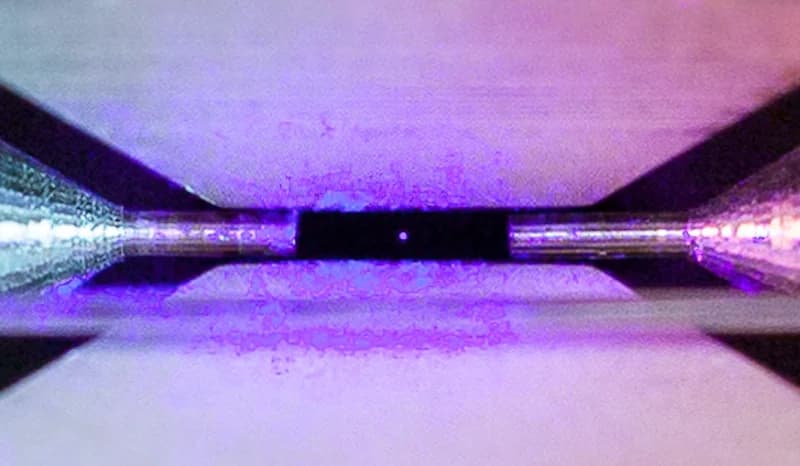
Hemos encontrado muchos qubits que no se decoheran tan rápido:
¿Cómo medimos un qubit?
Es muy, muy difícil medir la dirección del campo magnético de un electrón, de hecho, teóricamente imposible. Lo máximo que puedes hacer es una pregunta de sí/no: ¿está apuntando arriba o abajo? (O cualquier par de direcciones opuestas que elijas.) Eso se llama medición.
En realidad, esta es una propiedad fundamental de los qubits: cuando mides, solo obtienes uno de dos resultados, normalmente llamados “arriba” y “abajo,” o 0 y 1. Esa propiedad, que una medición siempre devuelve uno de dos resultados, es la razón por la que a los qubits se les llama a menudo sistemas cuánticos de dos niveles.
En el laboratorio podemos medir si el spin de un electrón apunta arriba o abajo. La forma de hacerlo es: tenemos un láser especial en el laboratorio que podemos disparar contra el electrón.
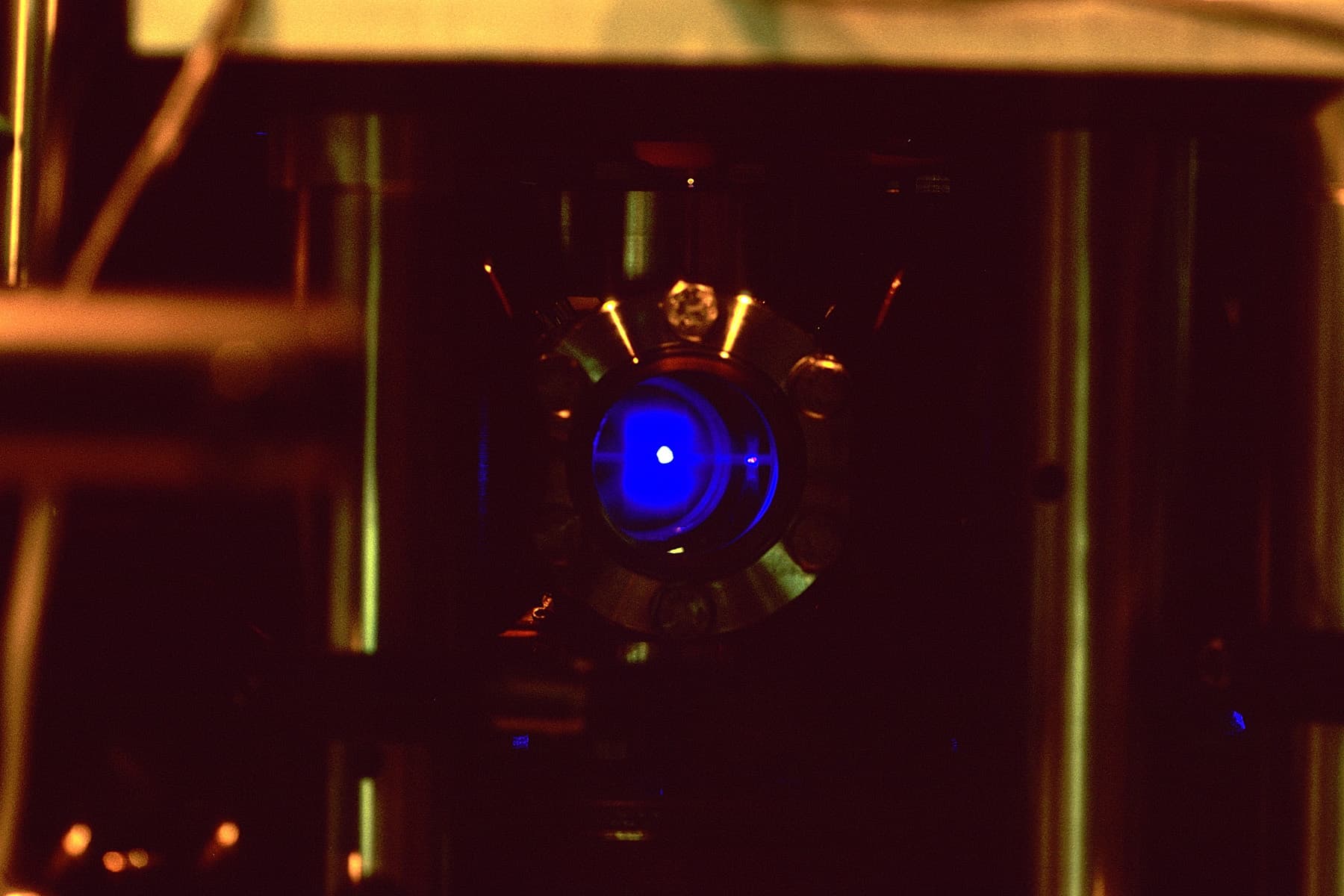
El electrón que estamos midiendo suele estar unido a algún átomo que levitamos en el espacio con una red óptica o una trampa de iones.
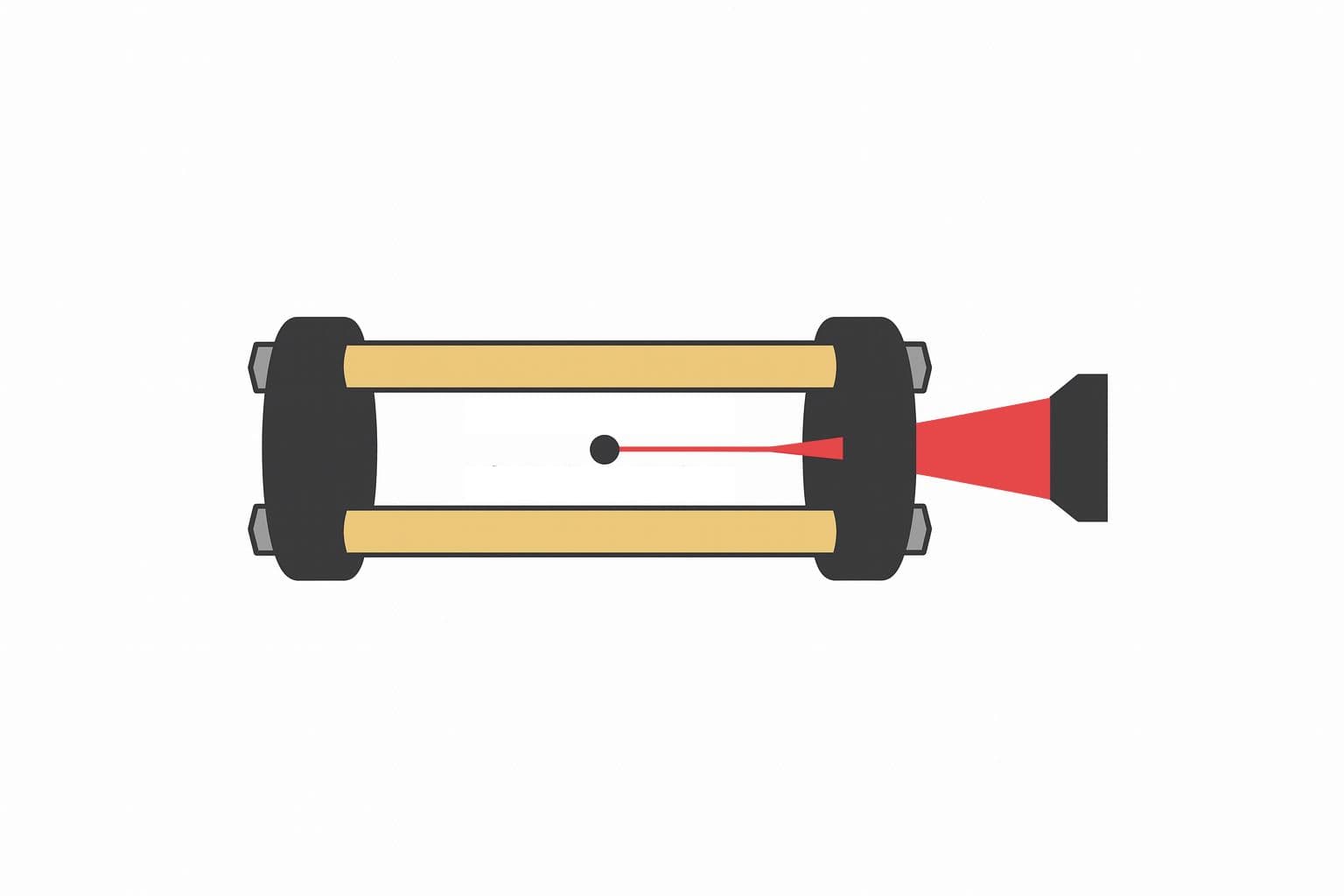
Le disparamos un láser especial que solo se absorbe si el spin del electrón está arriba. ¡Así que si se absorbe, sabemos que el spin está arriba!
¿Cómo nos ayudan los qubits?
La mayor sorpresa: los qubits ya están dentro de tecnologías que usas hoy.
Resonancias magnéticas (MRI)
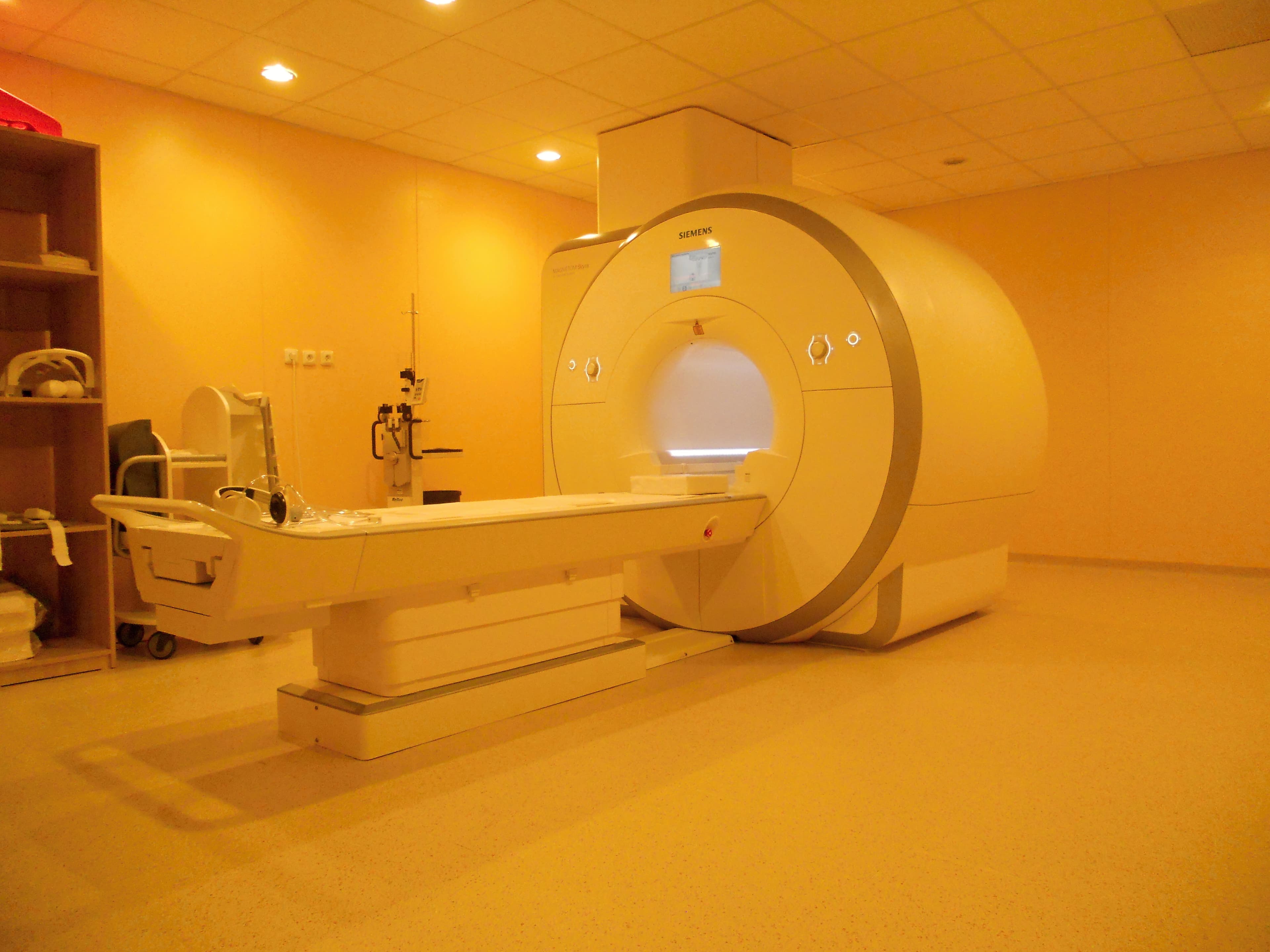
Las MRI usan los qubits de spin del protón de cada molécula de agua de tu cuerpo. Los spines dentro de un campo magnético rotan. Las MRI ponen tu cuerpo dentro de un imán masivo, así que los spines rotan muy rápido. Eso hace que emitan ondas de radio, que son detectadas por la máquina.
Magnetómetros
Los magnetómetros funcionan con la misma idea, al revés. Dejas que un spin rote y cronometras tus mediciones para que la respuesta sea siempre “arriba” si el tiempo es correcto. Si una medición devuelve “abajo,” el tiempo se ha desviado, y ajustas. La cantidad que tienes que ajustar te dice qué tan fuerte es el campo magnético del entorno.
Relojes atómicos
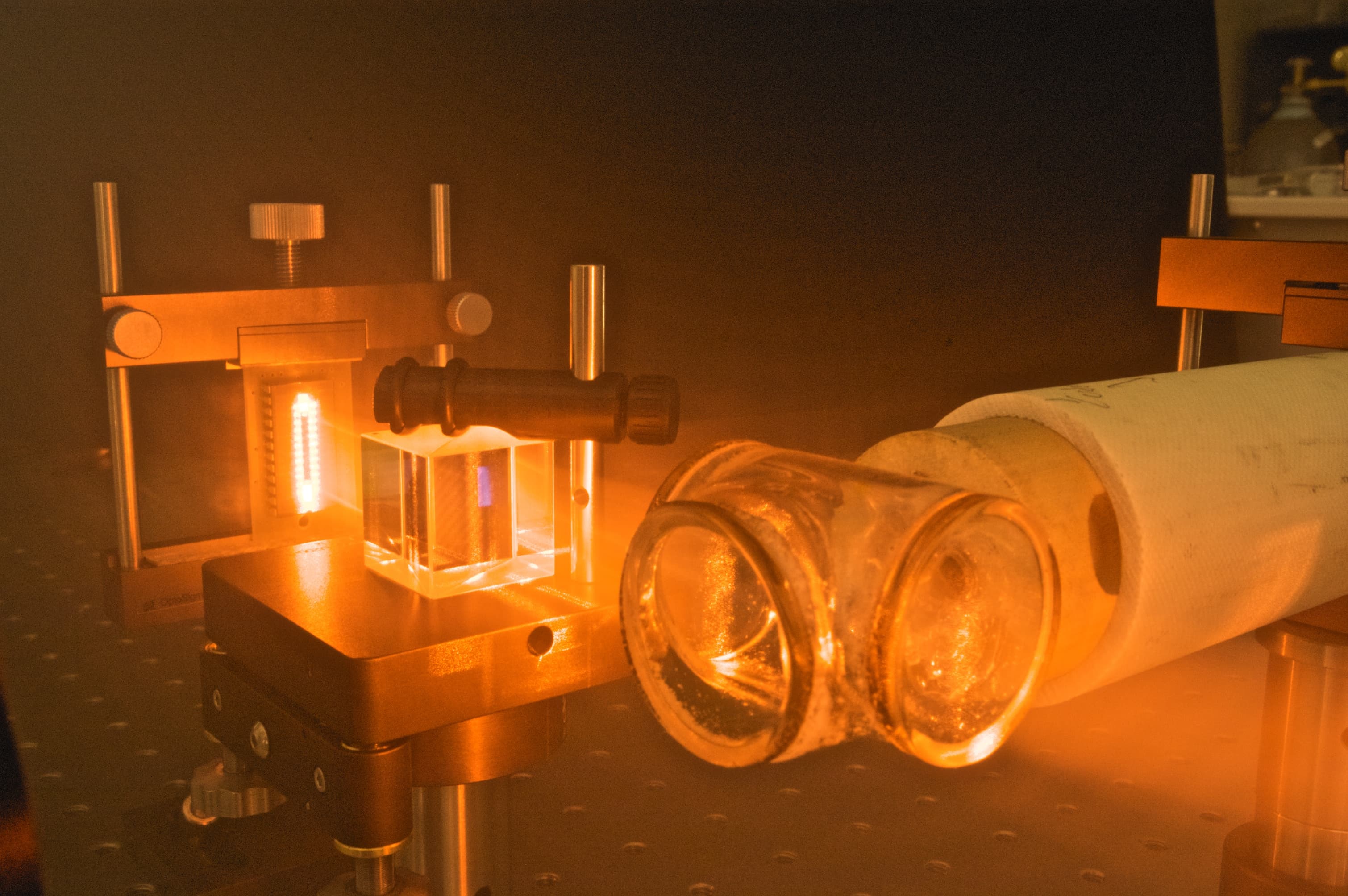
Los relojes atómicos funcionan igual, con un giro. El campo magnético lo suministra el propio núcleo del átomo, que es increíblemente estable. Por eso la rotación del spin del electrón es increíblemente consistente. Mantén un temporizador, mide en el momento en que esperas “arriba,” y si alguna vez obtienes “abajo,” ajusta el temporizador. Eso es un bucle de corrección en vivo, y así es como los relojes más precisos del mundo se mantienen precisos.
Computación cuántica
Los qubits también pueden usarse para computar más rápido. La computación cuántica reemplaza los bits clásicos, que son solo 0 o 1, por qubits. Guía detallada próximamente.