

In 11th grade, I asked a quantum researcher if he could teach me quantum. He said no.
He said I just didn't have the math background, and he was right. I tried learning it anyway from online lecture notes, but it would take me a day to get through a single page.
I don't think that's how kids should learn quantum. There's a much easier path now.
Tangible education is the key
Kids don't learn physics from the classroom. They learn it from play. Every time a kid throws a ball, they're building deep intuition about gravity and kinematics. They know the ball will go in an arc.
Later, when they learn about gravity in a classroom, they just learn to put numbers to what they already know. They learn the behavior first, and then they learn some math to predict it better.
That's exactly how scientists work, too. Quantum mechanics was invented by the same process: scientists noticed certain wacky behaviors in the lab, and then they invented some math to predict them better.
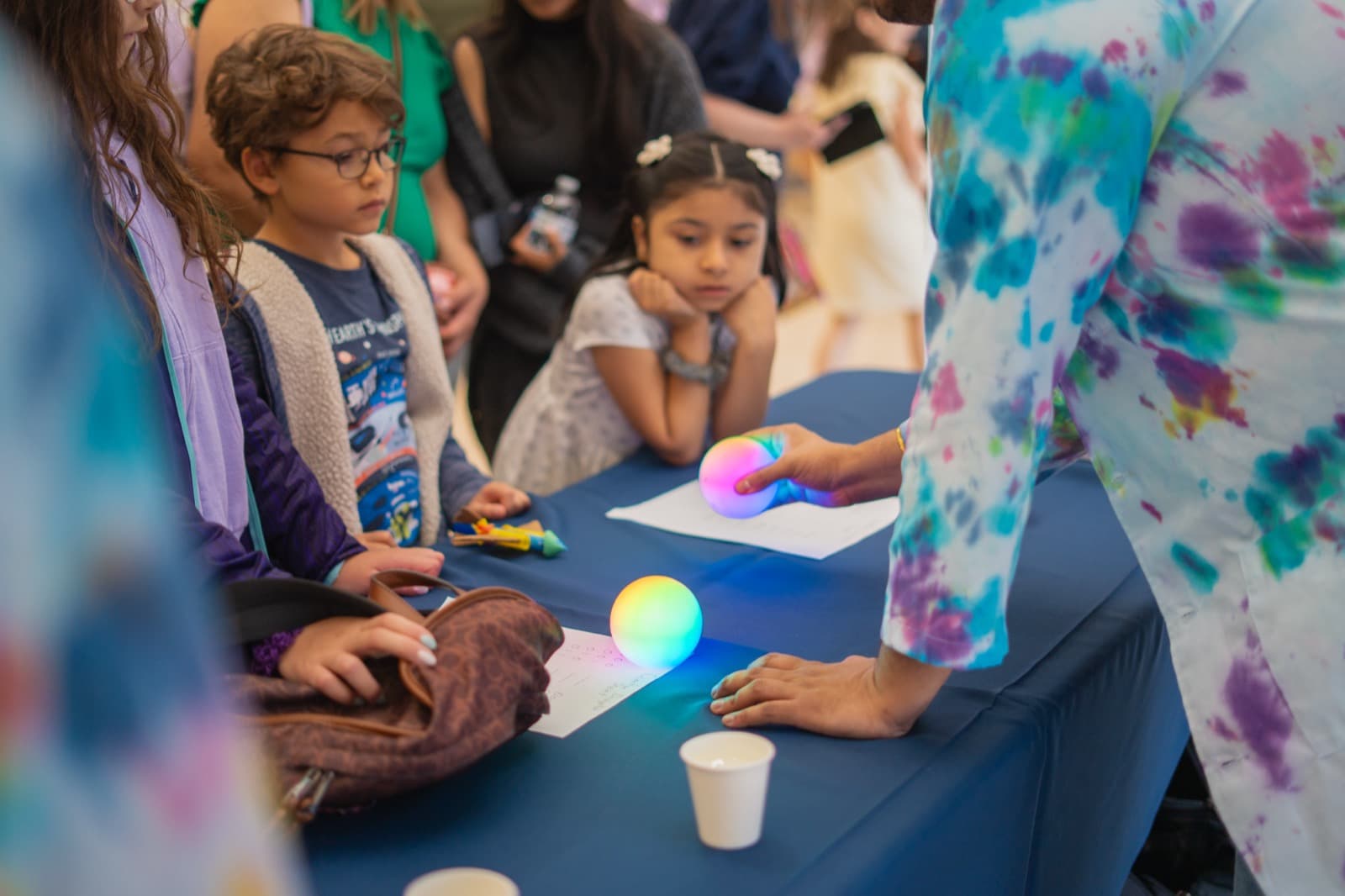
Quantum, however, is not taught this way. Kids are taught math-first, behavior second. In fact, many learners never get to see quantum behavior at all.
That's why, around two years ago, a small team and I set out to change that. We built Qubi: an object that acts according to the laws of quantum mechanics, so that kids can learn quantum behaviors first. For most kids, learning the behaviors is enough — they don't need to learn the math until university.
A generation of quantum savants
It's been said that the only human that really understood quantum mechanics was Paul Dirac.
Humanity hasn't been successful in producing people who understand quantum mechanics. There are only a handful of people in history who have invented a new quantum algorithm, despite tens of thousands trying.
I wonder: if kids are exposed to toys that act quantum at a young age, could they be more “quantum-native” than the current generation? Could they invent quantum algorithms with ease? Could they intuit the world at a deeper level?
This is why I believe quantum toys are important. What kids play with, they understand.
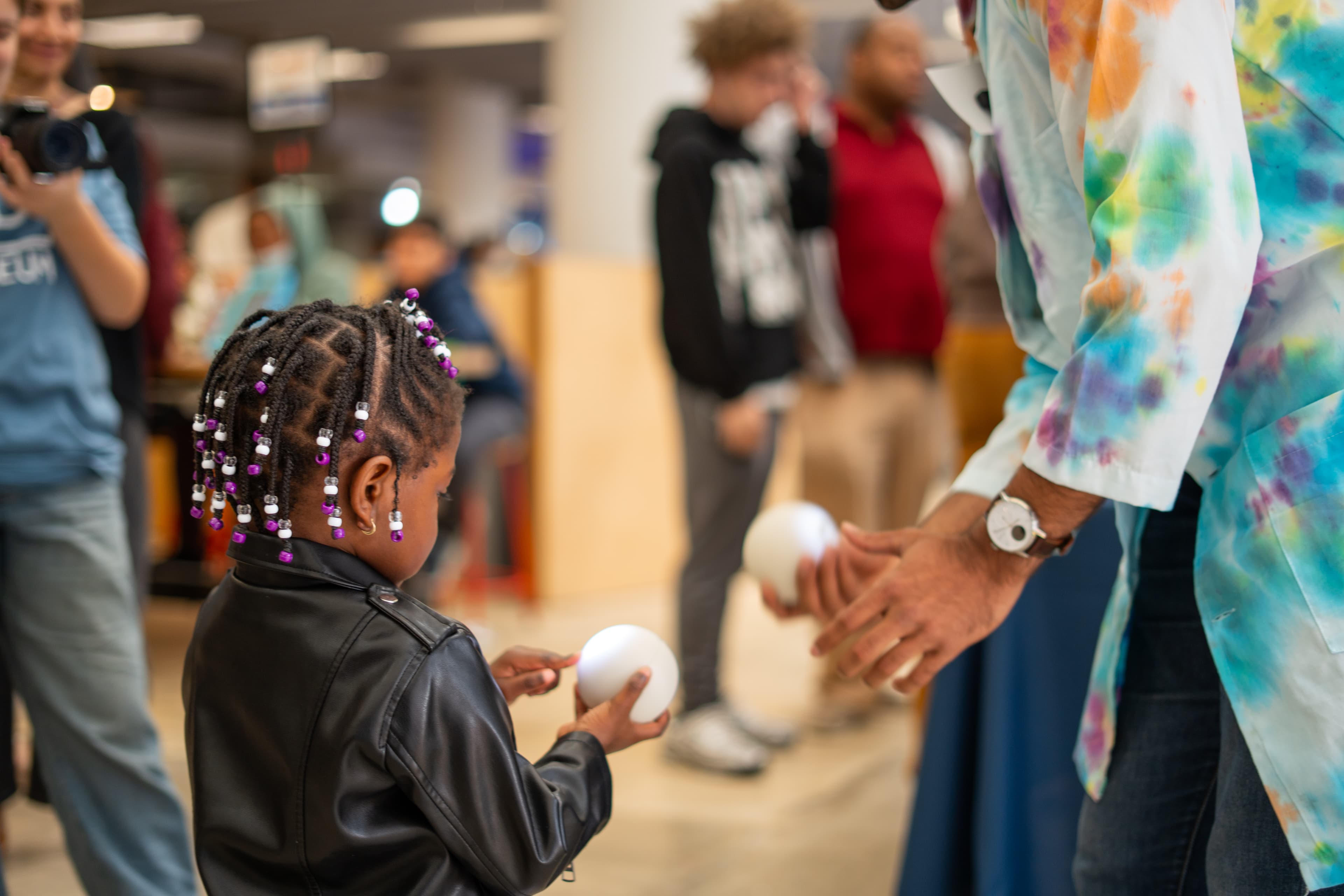
The first quantum toy is now available
We built Qubi as a way to expose humans to the behaviors of quantum. Kids and parents can learn quantum phenomena and paradoxes together, through games and short lessons.
Qubis are also being used in schools and at conferences. Take a look at our education case study and our outreach case study.
Qubi vs. other ways for kids to learn quantum
There are great paths out there. Here's an honest comparison with other tools for kids.
| Quantum Computing for Babies | Qiskit | Qubi | |
|---|---|---|---|
| No prerequisites | |||
| Connects to real quantum computers | |||
| Gives intuition about behaviors | |||
| Used in universities | |||
| Used in real research | |||
| Doesn't feel like learning |
Get Qubi
Hold a quantum computer in your hands.
Qubi is the first quantum object designed for play. 30+ activities to explore with your kids.