Case Study
KID Museum Quantum Booth
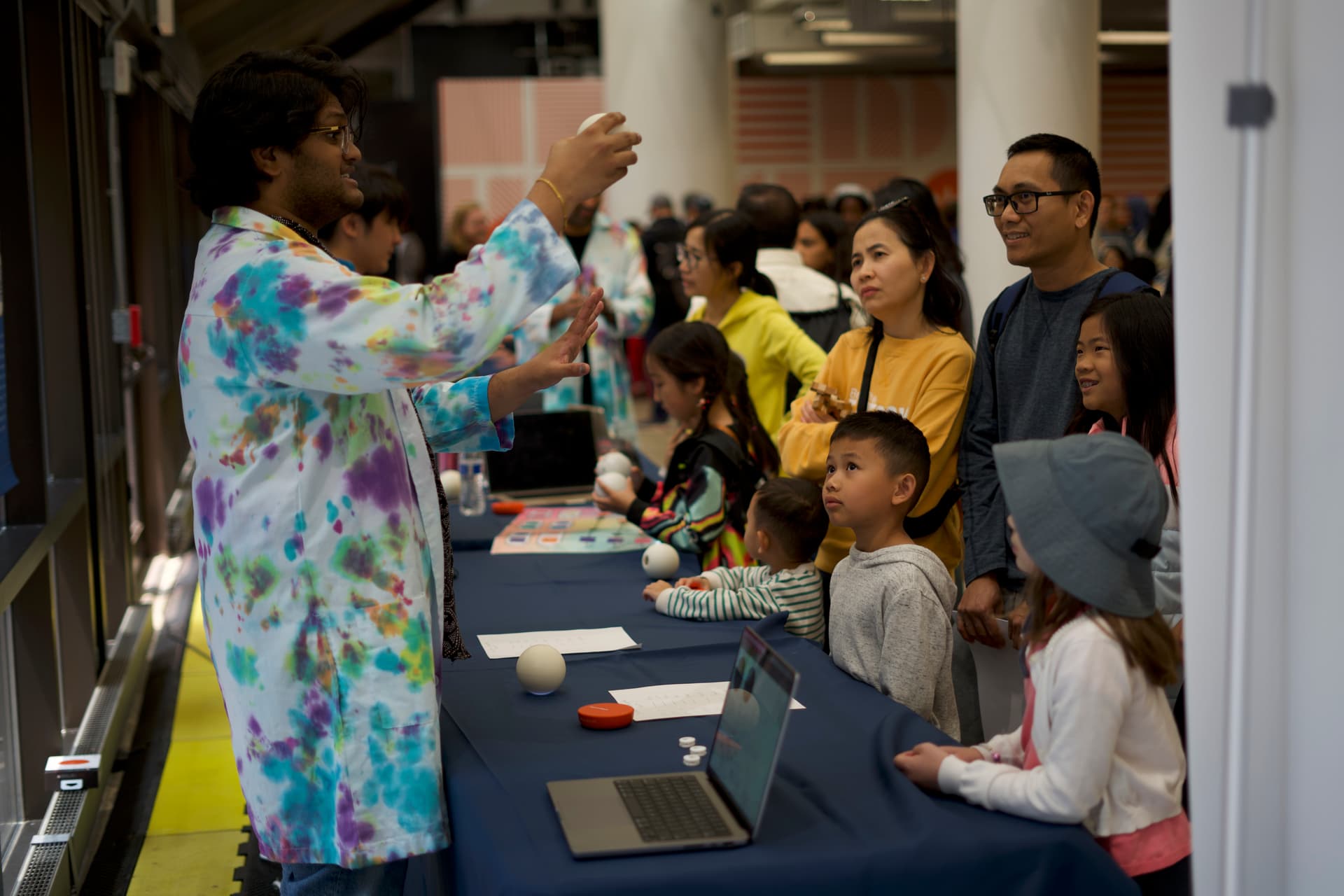
We were invited by the Bethesda KID Museum to host a quantum learning booth at the KID Expo.
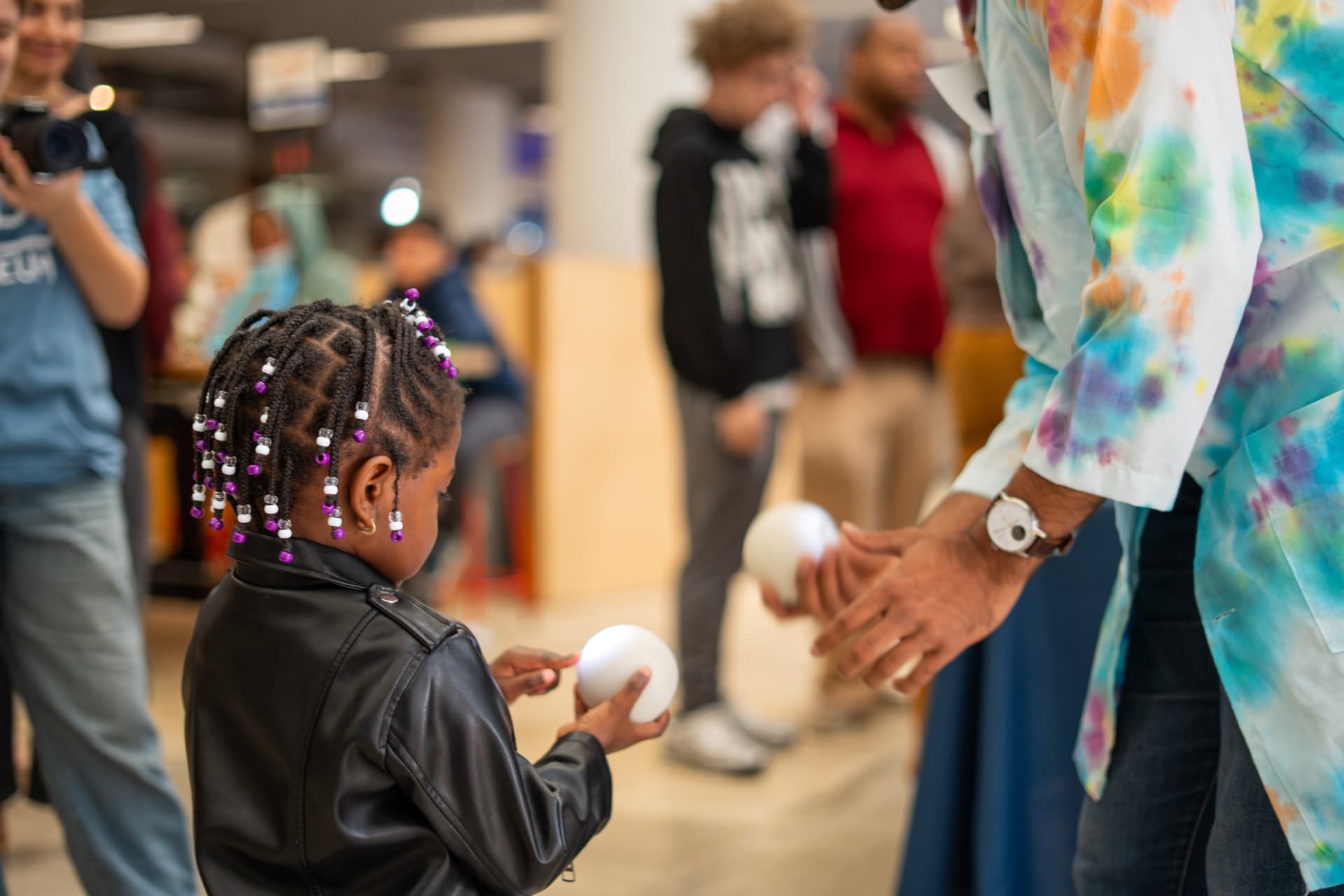
“Qolour was a standout at KID Museum’s 2025 Invent the Future Expo. Qubi sparked a passion for problem-solving in everyone from children to adults.”
Jacqueline Eyl
Chief Experience Officer, KID Museum

Activities
The booth was structured as three stations, each teaching a different facet of quantum computing through play.
Quantum Key Distribution
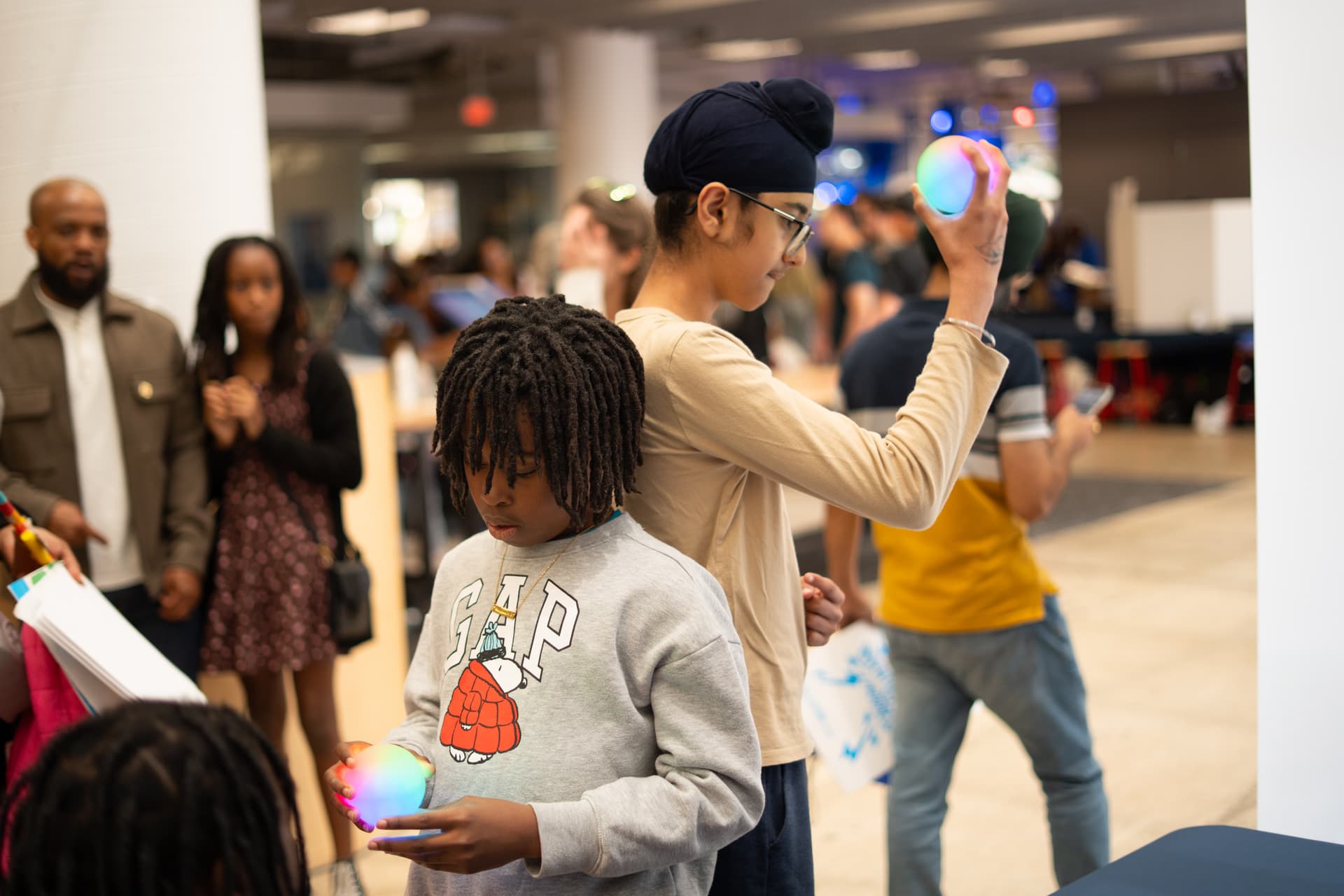
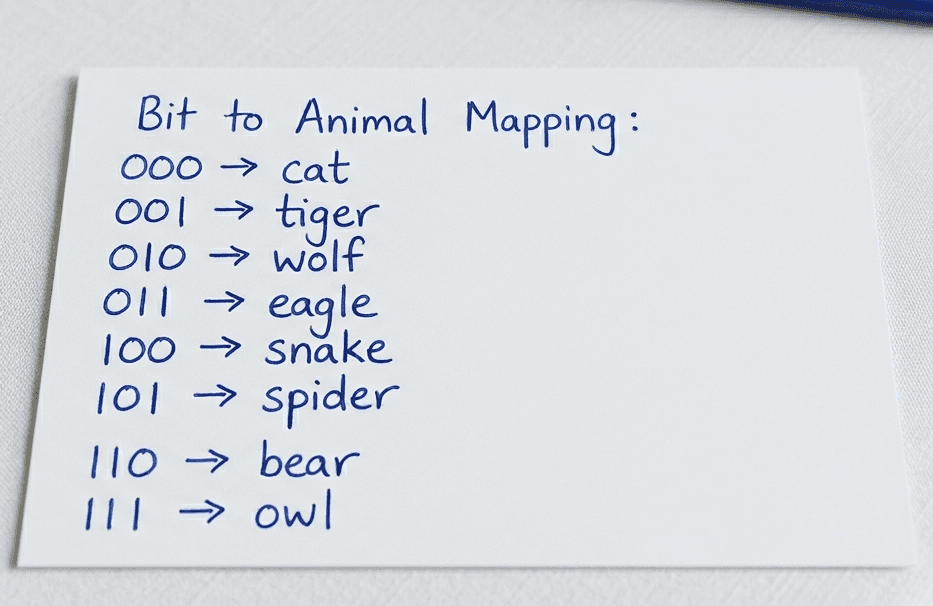
A fun, all-ages demo. Two participants entangle their Qubis and stand back-to-back. They each shake to measure — getting “up” or “down” — and write their result as 0 or 1. After three rounds, they look up the animal their secret code maps to and shout out the answer.
“TIGER!!!”
— Both kids
Learning outcomes
- How do we get information out of entangled qubits?
- How can we share a secret codeword using entangled qubits?
Quantum Circuits
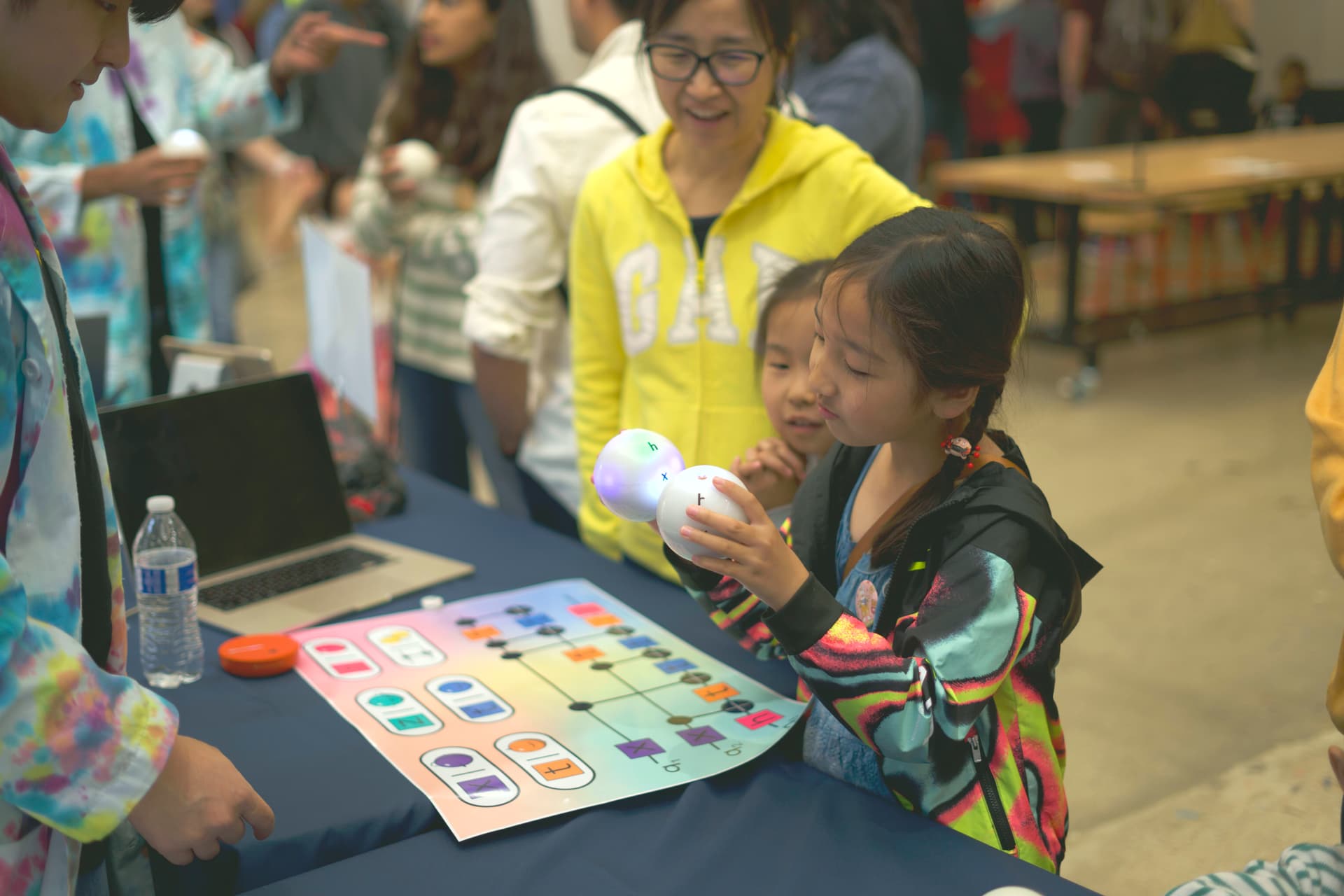
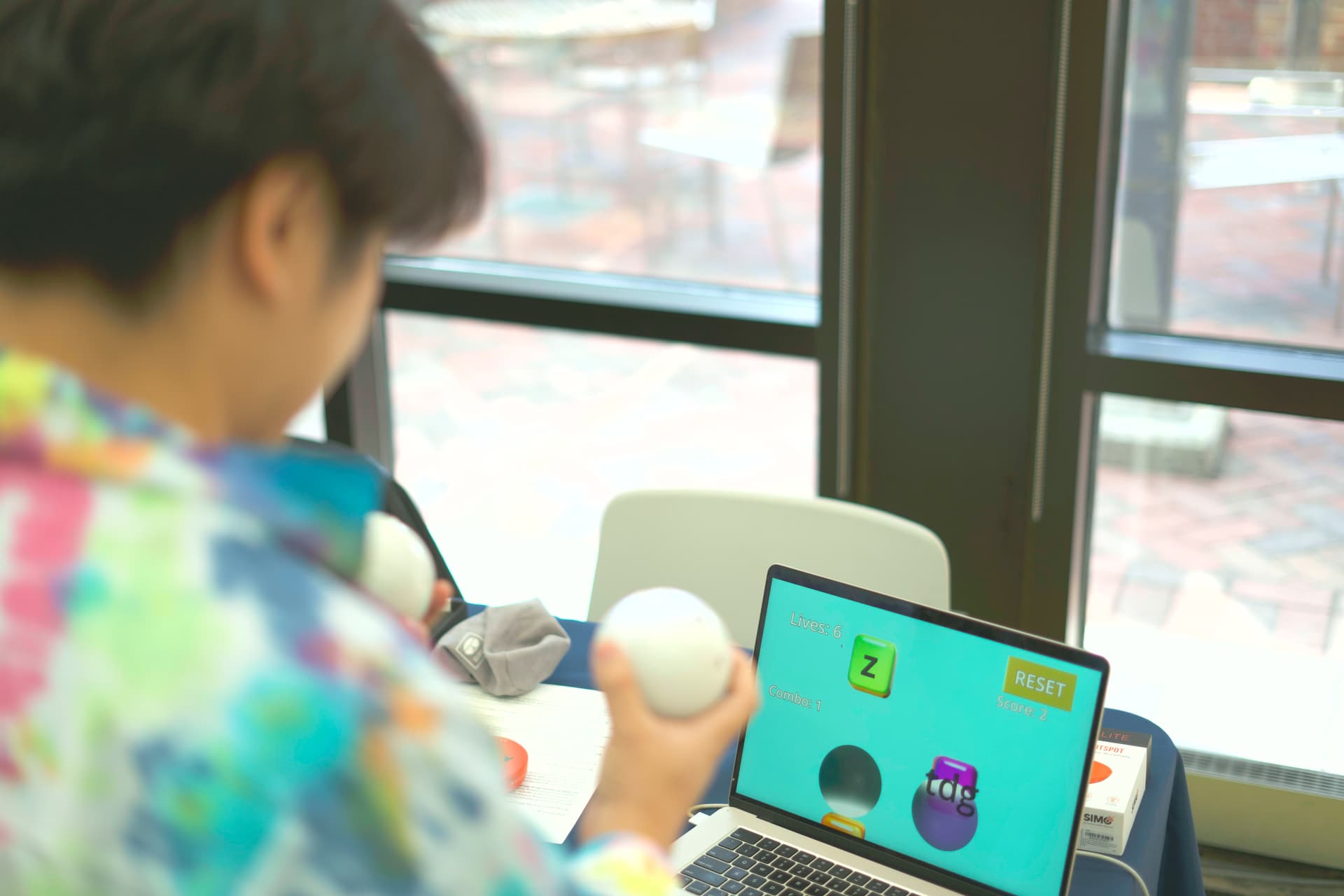
Kids were given a circuit to perform on their Qubis using hand motions — they treated it as a puzzle. Then they played Qubi Hero, a game where they have to perform the correct gates to get a high score.
Learning outcomes
- What is it like to program a quantum computer?
Basics of Quantum
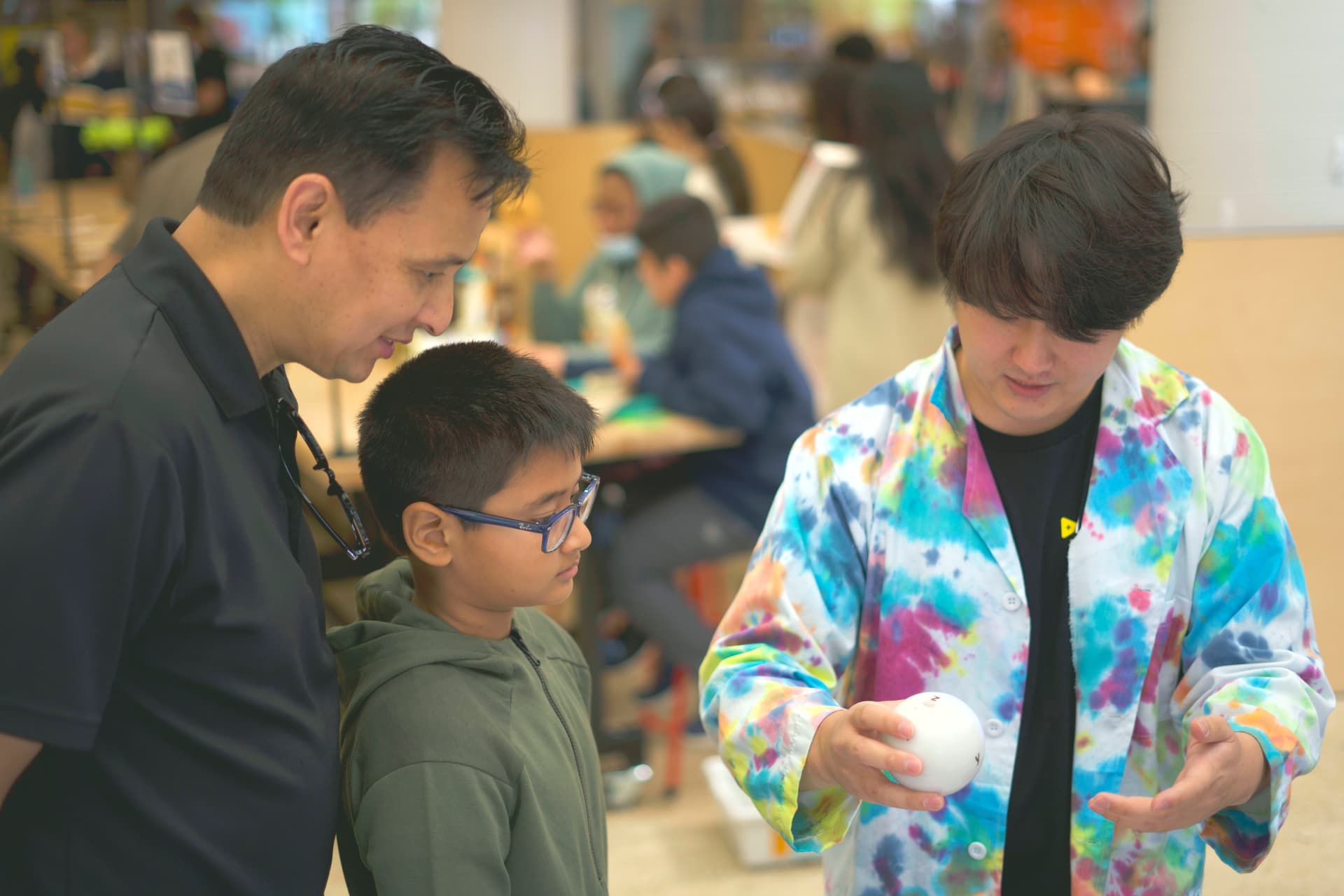
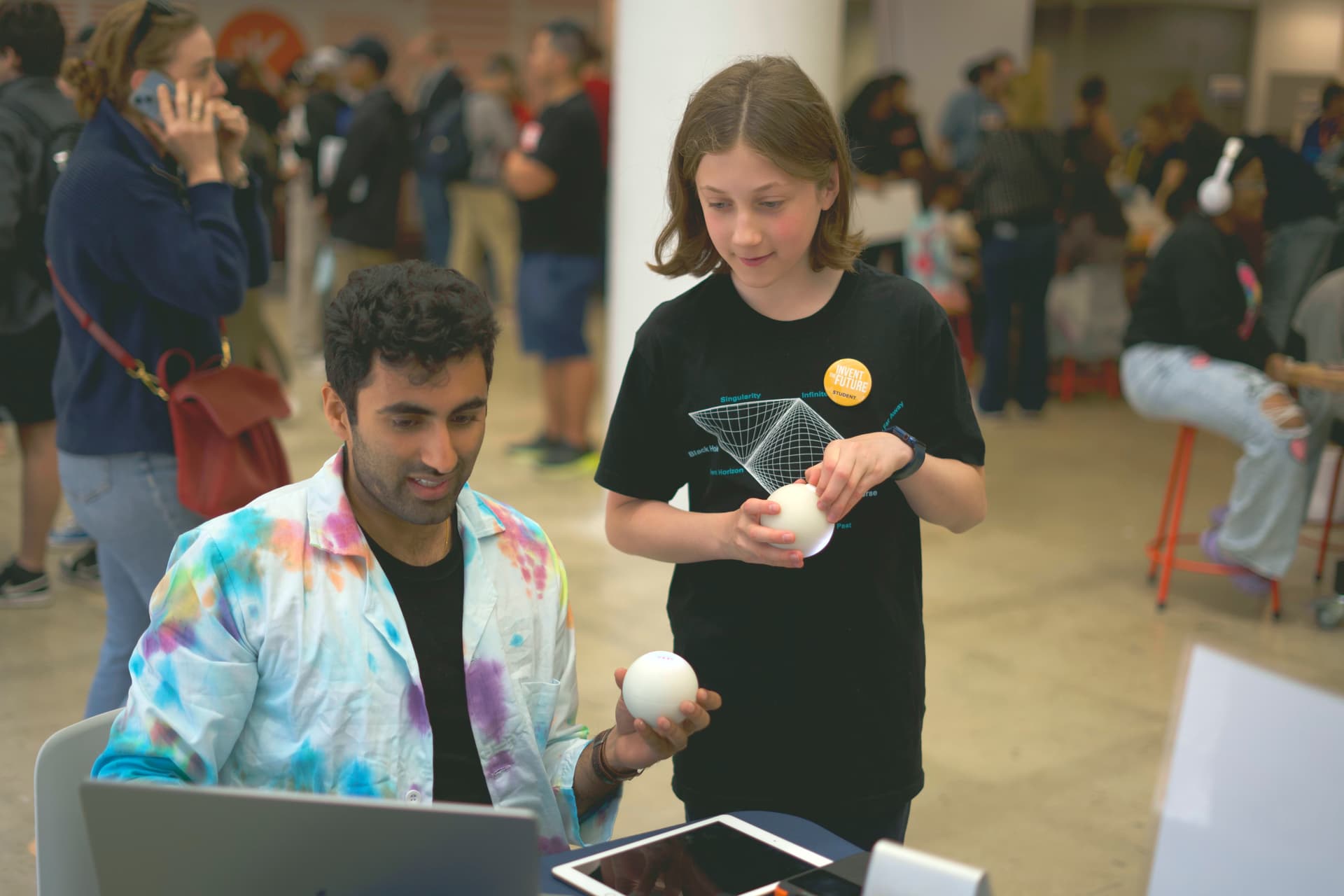
A guided walkthrough of the core operations of a quantum computer: gates, measurements, and entanglement. What stood out most was how engrossed the kids were — they stayed focused and asked questions throughout.
Learning outcomes
- What is a qubit in real life?
- What is a gate? How is it performed?
- What does it mean to not measure a quantum computation?
What kids learned
Even the youngest participants walked away with real intuition for quantum ideas — built through play, not lecture.
What a qubit is
A qubit is different from a regular bit — it can be in a mix of states until you look at it
Measurement changes things
When you shake a Qubi to measure it, it picks a result — you can’t know the answer in advance
Quantum gates
You can change a qubit’s state with specific hand motions, just like programming a quantum computer
Entanglement is real
Two Qubis can be linked so that measuring one instantly tells you about the other
Secret codes from quantum
Entangled measurements can create shared secrets — the basis of quantum key distribution
Quantum circuits as puzzles
A sequence of gates is like a recipe — kids solved circuit puzzles by performing the right moves in order
Gallery
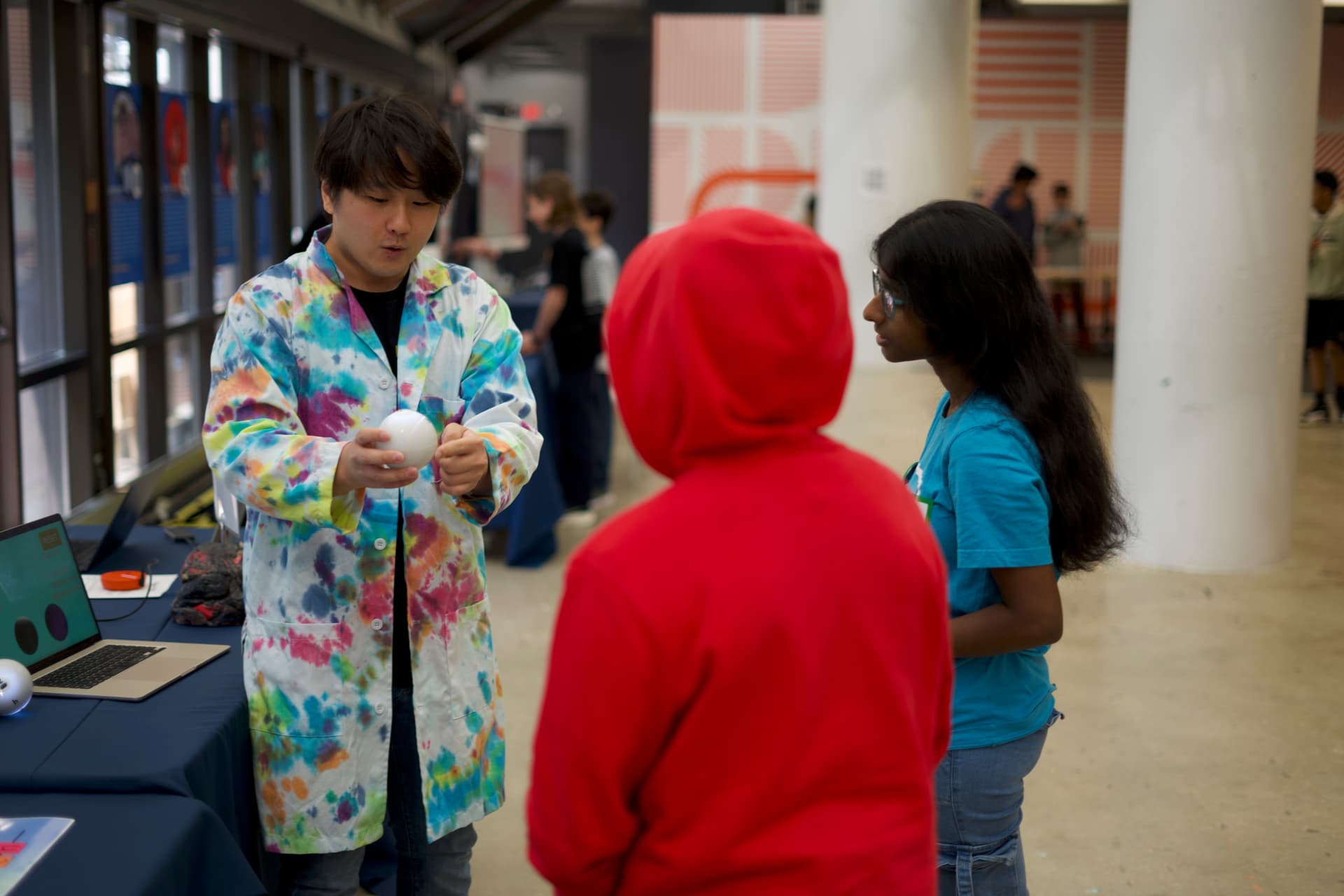
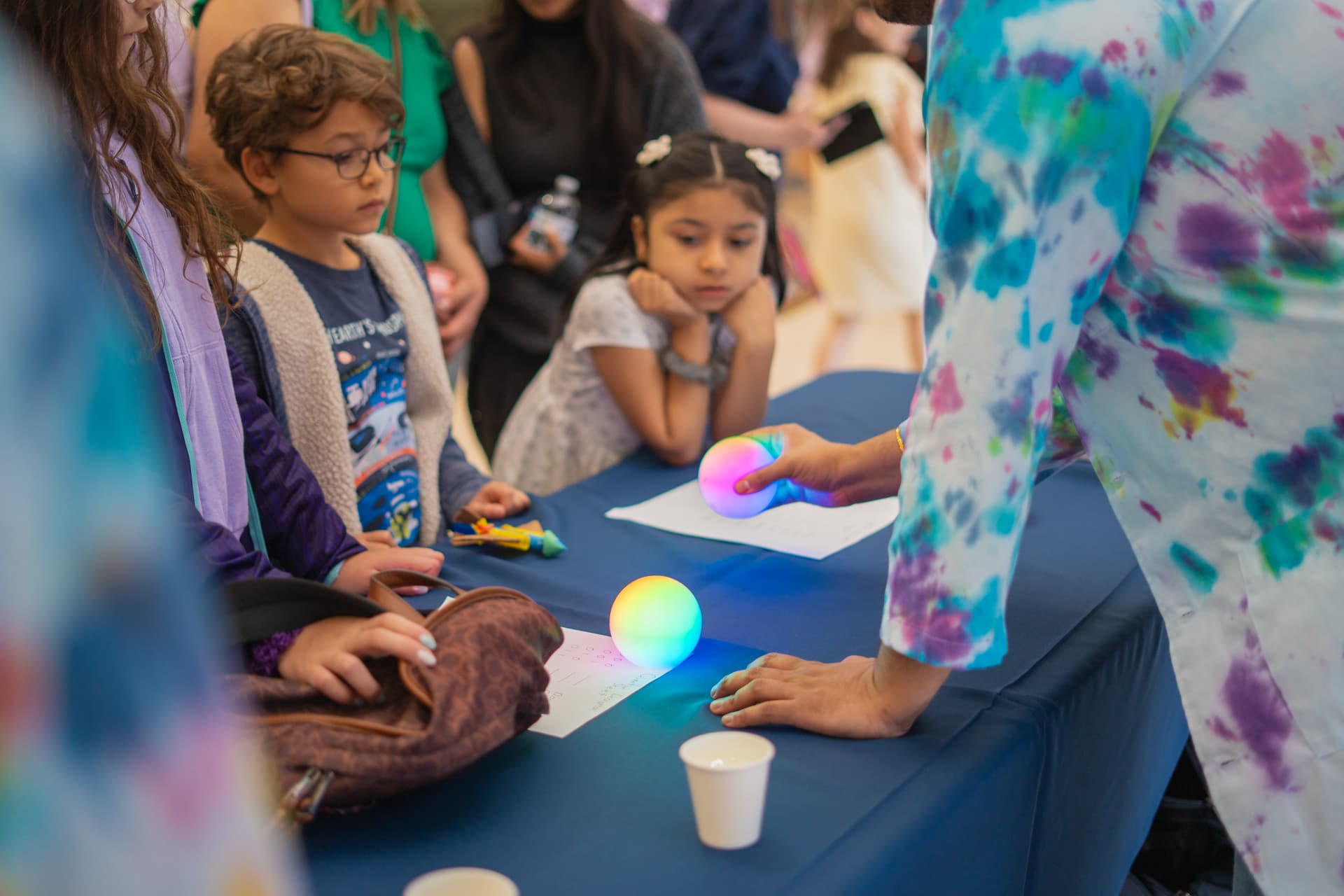
Kids of all ages were captivated by the hands-on quantum experience.
Want to bring Qubi to your event?
We run interactive quantum booths at museums, science fairs, and community events. Get in touch to host a session.